


Unpacking the Pyramid Model: A Practical Guide for Preschool Teachers
For more than a decade, the widely used Pyramid Model for Promoting Social Emotional Competence in Infants and Young Children has been helping early educators use research‐based practices to boost social‐emotional development. Now there’s a practical guide that makes it easier than ever to implement this highly effective framework in preschool classrooms.
Created by the Pyramid Model developers and experts with extensive training experience, this is the first book to provide a comprehensive, step‐by‐step overview of the Pyramid Model for children ages 2–5. Early childhood educators will get a complete overview of the framework, plus in‐depth guidance, evidence‐based strategies, and helpful checklists for implementing all tiers of the Pyramid Model: universal, targeted, and individualized.
Ideal for use in teacher trainings, preservice methods courses, and individual professional development, Unpacking the Pyramid Model will give current and future educators the foundational skills they need to promote positive behavior and build all young children’s social‐emotional competence.
Learn how to use the Pyramid Model to:
* Construct a positive classroom environment that supports access and engagement for all students
* Develop predictable schedules and routines that maximize participation and learning
* Clearly define and teach behavior expectations and rules
* Deliver intentional, explicit instruction in social‐emotional competence
* Support smooth and streamlined transitions that prevent challenging behavior
* Create a culture of friendship and actively teach children friendship skills
* Teach children about emotions and help them develop a “feeling vocabularyâ€
* Give children the skills they need to solve interpersonal problems appropriately
* Provide individualized support for children with persistent challenging behavior
See more resources on supporting children's social-emotional competence with the Pyramid Model.
Carrie Bishop, Gail E Joseph, Alana Griffin Schnitz, Adrienne Golden, Tweety Yates, Mary Louise Hemmeter, Michaelene M. Ostrosky, Lise Fox, Rosemarie Allen, Erin E. Barton, Denise Perez Binder, Crystal D. Bishop, Eleanor C. Bold, Edward H. Bovey II, Gregory A. Cheatham, Maureen A Conroy, Robert M Corso, Sharon L. Doubet, Glen Dunlap, Jolenea Ferro, Angel Fettig, Shawna Harbin, Jessica K. Hardy, Abby Hodges, Amy Hunter, Jaclyn D. Joseph, Kiersten A. Kinder, Jarrah Korba, Rochelle Lentini, Tara McLaughlin, Kathleen Artman-Meeker, Lori E. Meyer, Molly E Milam, Elizabeth A Pokorski, Amanda Quesenberry, Ron Roybal, Rosa Milagros Santos, Darbianne Shannon, Barbara J. Smith, Patricia Snyder, Elizabeth A. Steed, Phillip S. Strain, Kevin Sutherland, Abby L Taylor, Meghan von der Embse
Published: Nov 19, 2020
ISBN: 9781681253909
SKU: Br53909
Publisher: Brookes Publishing
Pairs well with
Unpacking the Pyramid Model: A Practical Guide for Preschool Teachers
If you have any questions, you are always welcome to contact us. We'll get back to you as soon as possible, within 24 hours on weekdays.
-
Shipping Information
Use this text to answer questions in as much detail as possible for your customers.
-
Customer Support
Use this text to answer questions in as much detail as possible for your customers.
-
FAQ’s
Use this text to answer questions in as much detail as possible for your customers.
-
Contact Us
Use this text to answer questions in as much detail as possible for your customers.
About the Author
Carrie Bishop

Carrie Bishop is an experienced educator and instructional coach based in Chattanooga, Tennessee, and the co-author of Make Your School Irresistible: The Secret to Attracting and Retaining Great Teachers, published by ASCD in 2025. In her role as a middle school instructional coach in Hamilton County Schools, she has previously served as an academic lead supporting leadership teams across 19 K–12 schools, held multiple teacher-leadership roles, and hosted numerous preservice teachers. She has been recognized twice as districtwide Teacher of the Year and received a teacher leadership award from the Public Education Foundation, as well as being named an Outstanding Graduate Student at the University of Tennessee at Chattanooga’s School of Education.
Bishop earned both her bachelor’s and master’s degrees in education from the University of Tennessee at Chattanooga and completed K–12 administrative licensure coursework at Carson-Newman University. In 2025 she was selected as Head of School for Point Christian Academy, bringing roughly two decades of experience in education and teacher leadership to the role. Her professional work centers on helping school leaders create cultures where teachers feel safe, valued, and supported, reflecting the practical, teacher-focused guidance in Make Your School Irresistible. The preschool-focused title Unpacking the Pyramid Model: A Practical Guide for Preschool Teachers is authored by a separate team that includes Crystal D. Bishop, not Carrie Bishop.

About the Author
Gail E Joseph

Gail E. Joseph, Ph.D., is the Bezos Family Distinguished Professor in Early Learning in the College of Education at the University of Washington in Seattle, where she teaches, advises students, and conducts research in early care and education. She holds a Ph.D. in Early Childhood Special Education from the University of Washington and an M.Ed. in Early Childhood Special Education from Western Washington University. Her work focuses on child care quality, teacher preparation, promoting young children’s social–emotional development, and preventing challenging behavior in early learning settings.
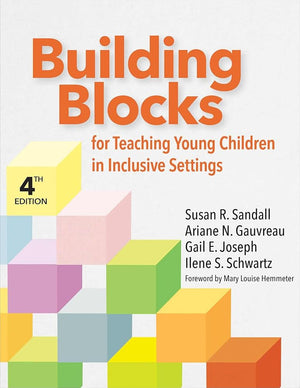
Dr. Joseph is a coauthor of Building Blocks for Teaching Young Children in Inclusive Settings (fourth edition), a practical framework for inclusive early childhood classrooms. She has contributed extensively to the development and dissemination of inclusive and evidence-based practices, including earlier work on the Building Blocks model for effective instruction in inclusive early childhood settings. She is also the Founding Executive Director of Cultivate Learning and has served as Principal Investigator and director of the Head Start Center for Inclusion and Co-Principal Investigator of the National Center on Quality Teaching and Learning, both funded by the Office of Head Start.
About the Author
Alana Griffin Schnitz

Alana Griffin Schnitz, Ph.D., BCBA, is a special education scholar and behavior analyst whose work focuses on early intervention, infant–toddler development, and family-centered practices. She earned her doctorate in Special Education from Vanderbilt University in 2016, completing a dissertation on the effects of parent training on parent–child interactions and child behavior. She later joined the University of Kansas, where she has served as an assistant research professor with the Juniper Gardens Children’s Project and an assistant professor of special education.
Schnitz is a coauthor and editor on multiple works addressing early childhood intervention and data-based decision making, including research on early problem-solving indicators, infant–toddler communication, and dosage reporting in early intervention. She is coauthor of the 2025 professional resource Unpacking the Infant–Toddler Pyramid Model: A Practical Guide for Teachers and Providers, published by Brookes Publishing, and has contributed as an editor to an earlier volume on the Pyramid Model for infants and toddlers.
About the Author
Adrienne Golden

Adrienne K. Golden is a researcher and educator specializing in early childhood special education and evidence-based practices for young children with disabilities and social–emotional needs. She has completed doctoral work in early childhood special education, holds a master’s degree, and is a licensed teacher. Based in Nashville, Tennessee, she serves as an adjunct professor and research associate affiliated with Vanderbilt University.
Golden is the lead author of multiple peer‑reviewed studies on Pyramid Model practices and practice‑based coaching, including “Reciprocal Peer Coaching and Teaching Teams’ Use of Pyramid Model Practices” in the Journal of Early Intervention and “Evaluating the Effects of Training Plus Practice-Based Coaching Delivered Via Text Message on Teacher Use of Pyramid Model Practices.” She is also a coauthor on research examining progressive time delay to teach social problem-solving to preschoolers, published in the Journal of Early Intervention.
About the Author
Tweety Yates

Tweety Yates, Ph.D., is a research associate in the Department of Special Education at Vanderbilt University and is retired from the Special Education Department at the University of Illinois at Urbana–Champaign. She earned her Ph.D. in special education from the University of Illinois in 1993 and has held roles there including assistant professor, visiting research assistant professor in early childhood special education, and director of the Partnerships Project and Parents Interacting with Infants (PIWI) Outreach. Yates has served as Co‑Project Coordinator for the Center on the Social and Emotional Foundations for Early Learning (CSEFEL) and continues to work on the Early Intervention Training Program (EITP) grant at the University of Illinois, as well as on the National Center on Early Childhood Development, Teaching and Learning (NCECDTL) contract through Vanderbilt University.
Yates is faculty with the Pyramid Model Consortium and has been actively involved with the Pyramid Model for more than twenty‑five years. She is a past president of the Division for Early Childhood (DEC) of the Council for Exceptional Children (CEC) and has provided consultation and professional development in early childhood for over 35–40 years. Her primary interests
About the Author
Mary Louise Hemmeter
Mary Louise Hemmeter, Ph.D., is a professor of special education at Vanderbilt University, where she has taught since 2013 and holds the Nicholas Hobbs Chair in Special Education and Human Development. She earned a Ph.D. from Vanderbilt University in 1991, a master’s degree from Peabody College of Vanderbilt University, and a bachelor’s degree from Auburn University.
Hemmeter’s research focuses on effective instruction, young children’s social-emotional development, challenging behavior, and teacher support. Through her work with the National Center on the Social and Emotional Foundations for Early Learning and other federally funded projects, she contributed to the development of the Pyramid Model and Practice-Based Coaching. She is a co-author of Unpacking the Pyramid Model: A Practical Guide for Preschool Teachers and Unpacking the Infant-Toddler Pyramid Model: A Practical Guide for Preschool Teachers.
About the Author
Michaelene M. Ostrosky
Michaelene M. Ostrosky, Ph.D., is a professor of special education at the University of Illinois Urbana-Champaign, where she has also served as head of the Department of Special Education and as the Grayce Wicall Gauthier Professor of Education. Her research focuses on inclusion and acceptance of children with disabilities, social-emotional competence, social interaction interventions, and challenging behavior in young children. She contributed to the development of the Pyramid Model through the National Center on the Social Emotional Foundations for Early Learning.
Ostrosky is a former editor of Young Exceptional Children and co-editor of several related monographs. Her published work includes Unpacking the Pyramid Model: A Practical Guide for Preschool Teachers, edited with Mary Louise Hemmeter and Lise K. Fox, as well as Making Friends and The Project Approach for All Learners.
About the Author
Lise Fox
Lise K. Fox, PhD, is a professor and chair of the Department of Child and Family Studies at the University of South Florida. She earned her doctorate in early childhood special education from Florida State University in 1989 and previously taught in the Department of Special Education at the University of Florida. Her work focuses on early childhood special education, social-emotional development, positive behavior support, and practical approaches to addressing challenging behavior and inclusion.
Fox is one of the developers of the Pyramid Model for Promoting Social Emotional Competence in Infants and Young Children and has led research, technical-assistance, and implementation projects in early childhood programs. She is a coauthor of Unpacking the Pyramid Model: A Practical Guide for Preschool Teachers, written with Mary Louise Hemmeter and Michaelene M. Ostrosky.
About the Author
Rosemarie Allen
Rosemarie Allen, Ed.D., is an associate professor in the School of Education at Metropolitan State University of Denver, where she specializes in early childhood education, diversity, equity, and inclusion. She earned a B.A. from California State University, Long Beach, an M.Ed. from Lesley University, and a doctorate in Equity and Leadership in Education from the University of Colorado Denver.
Allen previously served as director of Colorado’s Division of Child Care and is president and CEO of the Institute for Racial Equity & Excellence. Her published work includes contributions to Unpacking the Pyramid Model: A Practical Guide for Preschool Teachers and Unpacking the Infant-Toddler Pyramid Model: A Practical Guide for Teachers and Providers.
About the Author
Erin E. Barton

Erin E. Barton, PhD, BCBA-D, is an international educational consultant and faculty member of the Pyramid Model Consortium. She has worked in education for more than 30 years as a special education teacher, family coach, and university professor, and previously taught young children with autism in Chicago Public Schools. Her work focuses on evidence-based practices for young children with developmental disabilities, inclusive education, early intervention, and professional development for early childhood educators.
Barton is the editor of Unpacking the Pyramid Model: A Practical Guide for Preschool Teachers, a practical guide to implementing the Pyramid Model with children ages two to five. She has contributed to more than 120 publications, book chapters, and textbooks related to early childhood special education and evidence-based practice.
About the Author
Denise Perez Binder

Denise Perez Binder, M.A., is a Learning and Development Facilitator at the University of South Florida. She provides training, technical assistance, and coaching to teachers and early childhood programs implementing the Pyramid Model. She is also a training and technical assistance specialist with the National Center for Pyramid Model Innovations and the Early Childhood Technical Assistance Center, with expertise in program-wide implementation, Practice-Based Coaching, and the Teaching Pyramid Observation Tool (TPOT™).
Binder contributed to Unpacking the Pyramid Model: A Practical Guide for Preschool Teachers, a comprehensive guide to implementing the Pyramid Model for children ages two to five.
About the Author
Crystal D. Bishop

Crystal D. Bishop, Ph.D., is an assistant research scientist at the University of Florida’s Anita Zucker Center for Excellence in Early Childhood Studies. She earned her doctorate in special education, with concentrations in early childhood studies and early childhood policy, from the University of Florida in 2013. Her research focuses on inclusive preschool education, embedded instruction, family engagement, and social-emotional development.
Bishop is a contributing author to Unpacking the Pyramid Model: A Practical Guide for Preschool Teachers, a guide to implementing research-based practices that support young children’s social-emotional competence. She has also contributed to research and professional resources related to the Pyramid Model and embedded instruction for children with disabilities.
About the Author
Eleanor C. Bold
Eleanor C. Bold, PhD, MA, is an assistant professor in Developmental Pediatrics at the University of Colorado Anschutz Medical Campus. She earned her bachelor’s degree from Washington and Lee University and previously worked at the Duke Center for Child and Family Policy, supporting the implementation and evaluation of community-based programs.
Bold contributed to Unpacking the Pyramid Model: A Practical Guide for Preschool Teachers (2021) and has published and presented research on early intervention, preschool challenging behavior, and the Pyramid Model. She earned her PhD through the University of Denver’s Child, Family, and School Psychology program.
About the Author
Edward H. Bovey II

Edward (Ted) Bovey is an original contributor to the development of the Pyramid Model preschool training modules. His work continues to focus on the development, research, and dissemination of Pyramid Model practices, particularly their implementation in inclusive classrooms and with diverse populations.
Bovey is also a contributor to The Power of Peers in the Classroom: Enhancing Learning and Social Outcomes for Children with Special Needs, including the chapter “The Power of Preschool Peers to Influence Social Outcomes for Children with Special Needs.”
About the Author
Gregory A. Cheatham

Gregory A. Cheatham is a professor of special education at the University of Kansas. He holds a Ph.D. in special education, a master’s degree in social work, and a master’s degree in applied linguistics from the University of Illinois at Urbana-Champaign, as well as a bachelor’s degree in anthropology from the University of Missouri–St. Louis. His scholarship focuses on culturally and linguistically diverse children and families, bilingualism, early childhood special education, and family–professional partnerships.
Cheatham has contributed to research on early childhood education, bilingualism, assessment, and parent–teacher communication. He is a contributor to Unpacking the Pyramid Model: A Practical Guide for Preschool Teachers, a comprehensive guide to the Pyramid Model for children ages two to five.
About the Author
Maureen A Conroy
Maureen A. Conroy, Ph.D., is the Anita Zucker Endowed Professor in Early Childhood Studies and co-director of the Anita Zucker Center for Excellence in Early Childhood Studies at the University of Florida. She began her career as a preschool special education teacher and has also worked as an early interventionist, program director, technical assistance provider, and higher-education faculty member. She earned her Ph.D. in special education from Vanderbilt University in 1986, and her research focuses on evidence-based interventions that support young children’s social-emotional development and address social, behavioral, and developmental challenges.
Conroy has authored more than 100 refereed articles, 20 book chapters, and three books. She contributed, with Kevin S. Sutherland, the chapter “Using Positive Descriptive Feedback to Improve Children’s Behavior” to Unpacking the Pyramid Model: A Practical Guide for Preschool Teachers.
About the Author
Robert M Corso
Robert M. Corso, Ph.D., is the executive director of the Pyramid Model Consortium and a senior research associate at Vanderbilt University. He specializes in evaluating professional-development projects serving young children and their families. Previously, he coordinated the Center on the Social and Emotional Foundations for Early Learning (CSEFEL), served on the leadership team of the National Center on Quality Teaching and Learning, and worked as an administrator in Head Start, child care, and early-intervention programs.
Corso is a contributor to Unpacking the Pyramid Model: A Practical Guide for Preschool Teachers, written with Lise Fox, Mary Louise Hemmeter, and Michaelene M. Ostrosky. He holds a Ph.D. in special education from the University of Illinois and previously worked as a certified public accountant.
About the Author
Sharon L. Doubet
Sharon L. Doubet, PhD, is an early childhood special education scholar and educator affiliated with Illinois State University. Her research focuses on young children’s development, social-emotional competence, challenging behavior, families of children with disabilities, and qualitative research methodology. She has taught early childhood special education, early intervention, and assessment and instruction for young children.
Doubet is a contributor to Unpacking the Pyramid Model: A Practical Guide for Preschool Teachers, a guide to implementing research-based practices that support social-emotional development and address challenging behavior in children ages 2–5. She has also coauthored research on the effects of young children’s challenging behavior on families and child care providers.
About the Author
Glen Dunlap

Glen Dunlap, Ph.D., is a research professor affiliated with the University of South Florida and the University of Nevada, Reno. His work focuses on early intervention, positive behavior support, applied behavior analysis, autism spectrum disorders, developmental disabilities, and family support. He has served as a teacher, administrator, researcher, and university faculty member, and has directed research, training, and demonstration projects in these fields.
Dunlap has authored numerous articles and book chapters and coedited several books, including Prevent-Teach-Reinforce. He was a founding editor of the Journal of Positive Behavior Interventions and has served as editor of Topics in Early Childhood Special Education. He is also the author of Unpacking the Pyramid Model: A Practical Guide for Preschool Teachers.
About the Author
Jolenea Ferro
Jolenea B. Ferro, PhD, BCBA-D, is a Research Associate Professor in the Department of Child and Family Studies at the University of South Florida and Training Director for the Florida Center for Inclusive Communities, the university’s Center for Excellence in Developmental Disabilities. Her work focuses on functional assessment and the implementation of positive behavioral interventions and supports in natural settings, with extensive experience developing interventions for learners with severe behavior problems and providing in-service and preservice education.
Ferro is a contributor to Unpacking the Pyramid Model: A Practical Guide for Preschool Teachers and coauthor of Functional Assessment-Based Intervention: Effective Individualized Support for Students. She has also published research on function-based interventions in early-childhood classrooms, functional behavioral assessment, treatment integrity, and PBIS leadership training.
About the Author
Angel Fettig

Angel Fettig, Ph.D., is a professor at the University of Washington’s College of Education. She earned her Ph.D. and M.Ed. in special education from the University of Illinois at Urbana-Champaign. Her research focuses on early childhood special education, social-emotional development, challenging behavior, family-professional partnerships, and the implementation of evidence-based practices for young children with disabilities.
Fettig is the author, with Adrienne Golden and Jolenea Ferro, of Unpacking the Pyramid Model: A Practical Guide for Preschool Teachers. She has also published research on parent-implemented interventions, early childhood coaching, dialogic reading, family advocacy, and professional development in early intervention and early childhood settings.
About the Author
Shawna Harbin
Shawna Harbin, Ph.D., BCBA, is a Clinical Assistant Professor in Purdue University’s Department of Human Development and Family Science. She earned a Ph.D. in Special Education and an M.Ed. in Early Childhood Special Education from the University of Washington, as well as bachelor’s degrees in psychology and music. Her professional experience includes work as an early childhood special educator, early intervention practitioner, and coach. Her teaching and research focus on early childhood development, inclusive and evidence-based practice, social-emotional learning, family-practitioner partnerships, assessment, and educator training.
Harbin contributed to Unpacking the Pyramid Model: A Practical Guide for Preschool Teachers and has also published on early intervention, family experiences, and virtual practitioner training. She is a consultant with the Pyramid Model Consortium and works with early childhood educators and intervention professionals.
About the Author
Jessica K. Hardy
Jessica K. Hardy, Ph.D., is an assistant professor of early childhood special education at the University of Illinois Urbana-Champaign. She earned her Ph.D. in early childhood special education from Vanderbilt University in 2014 and previously worked as a Head Start teacher and preschool special education teacher in Portland, Oregon. Her work focuses on evidence-based instructional practices, early childhood coaching, mathematics instruction, and the Pyramid Model for supporting young children’s social-emotional development and addressing challenging behavior.
Hardy contributed chapters to Unpacking the Pyramid Model: A Practical Guide for Preschool Teachers, including guidance on creating supportive classroom environments and implementing transitions. She has also published research on early mathematics instruction, teacher efficacy, positive reinforcement, and practice-based coaching.
About the Author
Abby Hodges
Abby Hodges, MEd, BCBA, is a doctoral researcher in Child, Family, and School Psychology at the University of Denver. She has worked as a graduate research assistant at the Positive Early Learning Experiences Center, supporting research and implementation of the LEAP Model, Pyramid Model, and Prevent-Teach-Reinforce for Young Children. Her professional interests include assessing and treating challenging behavior in young children and helping teachers and caregivers implement interventions with fidelity.
Hodges is a contributor to Unpacking the Pyramid Model: A Practical Guide for Preschool Teachers. She has also co-authored research on behavioral interventions, functional communication training, challenging behavior, and autism.
About the Author
Amy Hunter

Amy Hunter, MSW, LICSW, is an assistant professor at Georgetown University, where she co-leads the postgraduate Clinical Certificate program in Infant and Early Childhood Mental Health. She earned a master’s degree in social work from Boston University and holds a postgraduate certificate in Early Childhood Mental Health from the University of Maryland School of Medicine. Hunter has worked in infant and early childhood mental health for more than 30 years and provides training and technical assistance nationally.
Hunter co-directs mental health work for the Head Start National Center on Health, Behavioral Health, and Safety and serves as a lead with the National Center for Pyramid Model Innovations. She is a co-author of Unpacking the Pyramid Model: A Practical Guide for Preschool Teachers and Unpacking the Infant-Toddler Pyramid Model: A Practical Guide for Teachers and Providers.
About the Author
Jaclyn D. Joseph

Jaclyn (Jackie) D. Joseph, Ph.D., BCBA-D, is a research associate professor at the Marsico Institute for Early Learning at the University of Denver. Her work focuses on high-quality inclusion, family partnerships, and evidence-informed practices that support young children’s social, emotional, and behavioral development. She has contributed to research and technical assistance related to the Pyramid Model, the LEAP Model, Prevent-Teach-Reinforce for Young Children, and Prevent-Teach-Reinforce for Families.
Joseph is a contributing author to Unpacking the Pyramid Model: A Practical Guide for Preschool Teachers and has co-authored publications on inclusion and belonging in early childhood education.
About the Author
Kiersten A. Kinder
Kiersten A. Kinder, Ph.D., is an Assistant Professor of the Practice in Early Childhood Special Education at Vanderbilt University’s Peabody College. She earned a bachelor’s degree in early childhood education from the University of Illinois Urbana-Champaign and has worked in public and laboratory school settings as a teacher, coach, and associate director. Her professional work focuses on inclusive education, practice-based coaching, embedded instruction, and the implementation of the Pyramid Model.
Kinder is a contributing author to Unpacking the Pyramid Model: A Practical Guide for Preschool Teachers, a comprehensive guide to applying the Pyramid Model with children ages two through five. She has also coauthored research on training, coaching, and performance feedback related to teachers’ use of Pyramid Model practices.
About the Author
Jarrah Korba
Jarrah Korba, M.Ed., BCBA, is a Board Certified Behavior Analyst who serves children with disabilities through a behavior analysis clinic. Korba holds a master’s degree in Early Childhood Special Education and focuses on challenging behavior and autism.
Korba contributed to Unpacking the Pyramid Model: A Practical Guide for Preschool Teachers, a guide to applying the Pyramid Model framework in preschool classrooms. Korba also coauthored research on teaching social problem-solving skills to preschool children.
About the Author
Rochelle Lentini
Rochelle Lentini began her career as a pre-kindergarten special education teacher before joining the University of South Florida, where she directed the Program-Wide Positive Behavior Support Project from 2006 to 2018. Her work focuses on positive behavior support, early childhood education, inclusion of children with disabilities, practice-based coaching, and social-emotional development. She is a member of the Pyramid Model Consortium and contributed to the design of the Pyramid Model.
Lentini is a contributing author of Unpacking the Pyramid Model: A Practical Guide for Preschool Teachers and co-authored research on positive behavior support for young children with challenging behavior. She is also CEO and president of the Purple Playas Foundation, which supports children and families affected by complex chronic medical conditions.
About the Author
Tara McLaughlin
Tara McLaughlin, PhD, is an Associate Professor in Early Years Education at Massey University in New Zealand, where she founded and directs the Early Years Research Lab. She previously worked as a research scientist at the University of Florida’s Anita Zucker Center for Excellence in Early Childhood Studies. Her research focuses on inclusive early intervention and early childhood education, including social-emotional teaching practices, assessment, data-informed teaching, and professional learning.
McLaughlin contributed to Unpacking the Pyramid Model: A Practical Guide for Preschool Teachers and has co-authored research on early childhood professional development, intentional teaching, embedded instruction, and children’s social-emotional competence.
About the Author
Kathleen Artman-Meeker
Kathleen Artman-Meeker, Ph.D., is a professor of early childhood special education at the University of Washington and director of the UW Haring Center for Inclusive Education. She holds a Ph.D. in special education from Vanderbilt University, with a focus on early childhood special education and applied behavior analysis, as well as degrees in special education from The Ohio State University. Her professional experience includes work as an early childhood special educator, coach, teacher educator, and researcher.
Her research focuses on professional development, coaching, evidence-based practices, and strategies that support young children’s social-emotional development and prevent challenging behavior. She contributed to Unpacking the Pyramid Model: A Practical Guide for Preschool Teachers and has published research on distance coaching, classroom preventive practices, multitiered systems of support, and early childhood inclusion.
About the Author
Lori E. Meyer
Lori E. Meyer, PhD, is an early-childhood education specialist affiliated with the University of Vermont. She has served as project director of Vermont’s Early MTSS-123 Project, an initiative supporting implementation of the Pyramid Model and Strengthening Families approaches across early-care and learning settings.
Meyer is a contributing author to Unpacking the Pyramid Model: A Practical Guide for Preschool Teachers, a guide to applying the Pyramid Model to promote social-emotional competence among children ages two to five.
About the Author
Molly E Milam
Molly E. Milam, Ph.D., BCBA-D, is an associate professor of education and director of Graduate and Professional Programs at York College of Pennsylvania. She holds a Ph.D. in Early Childhood Special Education from Vanderbilt University, an M.Ed. in Early Intervention with an autism specialization from the University of Pittsburgh, and a B.A. from The Pennsylvania State University.
Dr. Milam contributed to Unpacking the Pyramid Model: A Practical Guide for Preschool Teachers, a guide to implementing the Pyramid Model to support young children’s social-emotional development. Her published work also includes research on peer-mediated interventions, friendship skills, and visual activity schedules in early-childhood and special-education settings.
About the Author
Elizabeth A Pokorski
Elizabeth A. Pokorski, PhD, BCBA-D, is a researcher and scholar in early childhood special education and applied behavior analysis. Her work has addressed social-emotional development, classroom behavior, reinforcement, and ethical practices for young children with disabilities. She has been affiliated with Vanderbilt University and the University of Virginia.
Pokorski is a contributing author of Unpacking the Pyramid Model: A Practical Guide for Preschool Teachers, a practical guide to implementing the Pyramid Model to support social-emotional development in preschool-aged children. Her other published work includes research on group contingencies in preschool settings, maintenance measurement in autism research, and behavior-support practices for young children.
About the Author
Amanda Quesenberry

Amanda Quesenberry, Ph.D., is a professor at Illinois State University with more than 25 years of experience in early childhood special education. She earned a Ph.D. and a master’s degree in early childhood special education from the University of Illinois Urbana-Champaign and a bachelor’s degree in elementary education from the University of Evansville. Her research focuses on young children’s social and emotional development, educator professional development, and early childhood policy.
Quesenberry is a contributing author to Unpacking the Pyramid Model: A Practical Guide for Preschool Teachers, a professional guide published by Brookes Publishing. She has also coauthored research on early childhood educator preparation, university-school partnerships, and the effects of young children’s persistent challenging behavior on child-care providers.
About the Author
Ron Roybal
Ron Roybal is a senior research associate at the University of Denver’s Morgridge College of Education. He has more than 20 years of experience in higher education focused on inclusion and belonging, following 10 years teaching in an inclusive early childhood classroom. His work includes training and coaching on the Pyramid Model, early childhood inclusion, and autism-related programs, including LEAP and the Colorado Autism Project.
Roybal contributed to Unpacking the Pyramid Model: A Practical Guide for Preschool Teachers, a guide to implementing the Pyramid Model for children ages two to five. His professional experience also includes presenting at national conferences and providing professional development for educators.
About the Author
Rosa Milagros Santos
Rosa Milagros Santos, Ph.D., is a professor of special education at the University of Illinois Urbana-Champaign, where her work focuses on early childhood education, social-emotional development, disability, and family support. She earned a Ph.D. in special education from Utah State University and has contributed to research on young children’s social-emotional development, challenging behavior, trauma-informed care, and inclusive early intervention.
Santos is a contributor to Unpacking the Pyramid Model: A Practical Guide for Preschool Teachers and has coauthored scholarly publications including research on social stories, trauma-informed care, and young children with disabilities.
About the Author
Darbianne Shannon

Darbianne Shannon, Ph.D., is an assistant research scientist at the Anita Zucker Center for Excellence in Early Childhood Studies at the University of Florida. Her work focuses on professional learning, practice-based coaching, embedded intervention, and systems that help early childhood programs use data to improve quality. Before joining the center, she taught in inclusive early childhood programs serving children from age three through third grade.
Dr. Shannon holds a Ph.D. in curriculum and instruction with a minor in early childhood studies from the University of Florida, an M.A. in reading education from the University of South Florida, and a B.S. in early childhood and elementary education from Florida Southern College. She contributed the chapter “Putting It All Together: Implementing Pyramid Model Practices to Make a Difference for Children” to Unpacking the Pyramid Model: A Practical Guide for Preschool Teachers.
About the Author
Barbara J. Smith

Dr. Barbara J. Smith is a special-education scholar and early-childhood policy specialist. She earned a master’s degree in early childhood special education and a doctorate in special education and public policy from the University of North Carolina at Chapel Hill. Her professional experience includes serving as an early-childhood teacher, executive director of the Division for Early Childhood of the Council for Exceptional Children, policy specialist for the Council for Exceptional Children, and program specialist with the U.S. Department of Education’s Office of Special Education Programs.
Smith’s work focuses on early-intervention policy, program development, leadership, collaboration, and the implementation of evidence-based practices. She has authored more than 20 peer-reviewed articles and 15 books and chapters, including The Administrator’s Policy Handbook for Preschool Mainstreaming. She is also a contributor to Unpacking the Pyramid Model: A Practical Guide for Preschool Teachers and has served as an early developer of the Pyramid Model’s leadership strategies.
About the Author
Patricia Snyder
Patricia Snyder, Ph.D., is a University of Florida distinguished professor emerita of special education and early childhood studies and the founding director emerita of the Anita Zucker Center for Excellence in Early Childhood Studies. She previously held faculty and leadership positions at Vanderbilt University and Louisiana State University Health Sciences Center. Her career in early childhood studies spans more than 40 years and includes work as a speech-language therapist, early-intervention home visitor, preschool teacher, researcher, and higher-education administrator.
Snyder’s research focuses on evidence-based prevention and intervention strategies for young children with or at risk for disabilities, as well as implementation science and practice-based coaching. She is a contributor to Unpacking the Pyramid Model: A Practical Guide for Preschool Teachers, including the chapter “Implementing Pyramid Model Practices to Make a Difference for Children,” and has authored numerous scholarly articles, book chapters, and practice guides.
About the Author
Elizabeth A. Steed

Elizabeth A. Steed, PhD, is a professor in Early Childhood Education at the University of Colorado Denver. She previously worked in early intervention with infants, toddlers, and preschoolers with disabilities and completed an Institute of Education Sciences postdoctoral fellowship at Purdue University. She holds a bachelor’s degree from the University of California, San Diego, a master’s degree from Northeastern University, and a doctorate from the University of Oregon.
Her research focuses on inclusion, young children’s social-emotional competence, culturally responsive practices, and the early identification of mental-health and developmental concerns. She has served as a principal investigator on research grants, was a Fulbright scholar, and has published and presented on evidence-based practices supporting young children and children with disabilities. Steed is a coauthor of Unpacking the Pyramid Model: A Practical Guide for Preschool Teachers.
About the Author
Phillip S. Strain
Phillip S. Strain, Ph.D., is the James C. Kennedy Endowed Chair in Urban Education at the University of Denver’s Morgridge College of Education and director of the Positive Early Learning Experiences (PELE) Center. His work focuses on inclusive preschool education, services for young children with autism, and the prevention and intervention of challenging behavior.
Strain has authored more than 300 professional publications and has contributed to influential works on the Pyramid Model, including The Teaching Pyramid: A Model for Supporting Social Competence and Preventing Challenging Behavior in Young Children and Preventing-Teach-Reinforce for Young Children. He has worked as a teacher, early-intervention program administrator, and university professor during his career.
About the Author
Kevin Sutherland
Kevin S. Sutherland, Ph.D., is a professor in the School of Education at Virginia Commonwealth University, where he also serves as Interim Associate Dean for Research. He earned a Ph.D. in special education from Vanderbilt University, an M.Ed. from the College of William and Mary, and a B.A. in history from Wake Forest University. His research focuses on evidence-informed interventions and implementation practices addressing problem behavior and emotional and behavioral disorders in school and community settings.
Sutherland is a contributor to Unpacking the Pyramid Model: A Practical Guide for Preschool Teachers, a guide to applying the Pyramid Model to support young children’s social-emotional competence. His published work also includes research on the prevention and treatment of problem behaviors in young children and strategies for improving children’s behavior through positive descriptive feedback.
About the Author
Abby L Taylor
Abby L. Taylor, Ph.D., is an early childhood special education scholar and educator whose work focuses on social-emotional development, positive behavior support, and inclusive classrooms. She has worked as a teacher in inclusive preschool and toddler classrooms and as a coach supporting educators in implementing evidence-based instruction and Pyramid Model practices in child-care and Head Start programs.
Taylor is a contributing author to Unpacking the Pyramid Model: A Practical Guide for Preschool Teachers, a guide to implementing Pyramid Model practices in early childhood settings. Her scholarly work also includes research on program-wide Pyramid Model implementation and coaching educators to use these practices effectively.
About the Author
Meghan von der Embse
Meghan von der Embse, Ed.S., NCSP, is a Learning and Development Facilitator with the Florida Center for Inclusive Communities at the University of South Florida. They provide training, technical assistance, and coaching to early childhood programs implementing and sustaining Pyramid Model supports, and serve as Assistant Director of USF’s Program-Wide Positive Behavior Support Project. Previously, they were Director of Behavior Support Services at Easter Seals of Southeastern Pennsylvania and a Positive Behavioral Interventions and Supports facilitator for early childhood and special education preschool programs.
Von der Embse earned an Education Specialist degree in School Psychology from Miami University and is a nationally certified school psychologist. They have worked as a K–12 school psychologist in Ohio, Michigan, North Carolina, and Nebraska, with expertise in multitiered systems of support and early literacy programming. They are a contributing author of Unpacking the Pyramid Model: A Practical Guide for Preschool Teachers.
FAQs
Please read our FAQs page to find out more.
How long does shipping take?
Standard delivery typically arrives within 3–7 business days depending on your location, and quantities ordered. Need books faster than a caffeinated teacher before finals week? Give us a call and we'll be happy to discuss meeting your deadlines.
Do you accept purchase orders from schools or districts?
Yes! QEP Books proudly supports school, district, and institutional purchase orders. Simply email your PO to QEPOrders@qepbooks.com and we'll take care of the rest.
Do you offer discounts for bulk orders?
Yes — the more books you buy, the happier we get, and the better your discount becomes. Reach out to our team for a custom bulk quote tailored to your school or organization.
Can I speak to a real human if I need help?
Absolutely. Our team is small but friendly, and actually reads your messages. Just use the contact form or email us directly at QEPOrders@qepbooks.com — we respond quickly and without AI-generated attitude.